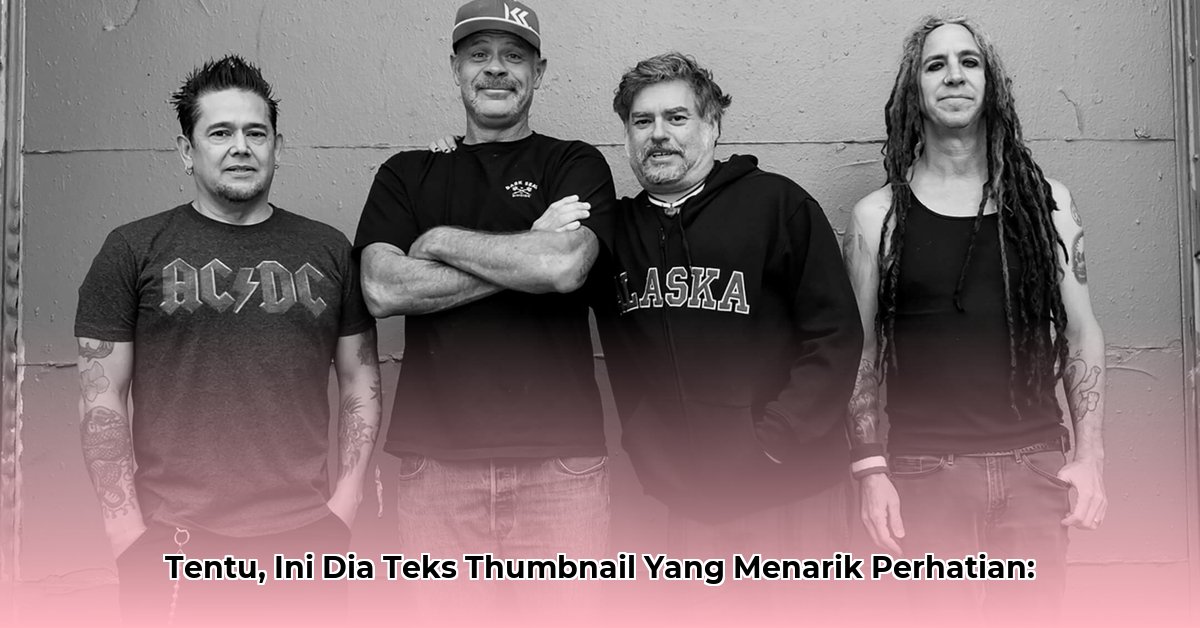
Okay, so you're probably thinking punk rock and big bucks don't exactly go hand-in-hand, right? Well, get ready to have your mohawk blown back. We’re taking a look at how some of your favorite punk bands, like NOFX, have actually managed to build kinda crazy successful business empires. It's not just about selling records (though that helps). We're talking smart moves, cool side projects, and figuring out how to make that DIY spirit pay off in the long run. We'll even look at the sticky question of whether it's cool to be rich and punk at the same time. So, buckle up, because we're diving into the surprisingly lucrative world where punk rock meets, well, not exactly "riches," but definitely more than you'd expect. It might be more attainable than the Tim Lambesis net worth.
NOFX Net Worth: Exploring DIY Ethics and Financial Success
Punk's Not Dead, and Neither is Their Bank Account: The Fusion of Anarchy and Affluence
Punk rock: a genre known for its rebellious spirit, safety pins, and powerful anti-establishment messages often delivered with a potent blend of anger and irony. Ironically, some of its figureheads have become surprisingly successful in the financial world. While mainstream acts like Green Day and Blink-182 reached global superstardom, there's a whole other story brewing beneath the surface. How did some punk musicians quietly create surprising wealth through clever business deals and diverse projects? And, a question that probably divides fans is financial success flying in the face of punk's very ethos? The question of staying true to your roots is always present. Let's explore the surprising world where punk meets profit and what that means for the creative process.
The Green Day and Blink-182 Effect: Crossover Appeal Translates to Mainstream Success
We all know the household names. Billie Joe Armstrong, the frontman of Green Day, is reportedly worth around $55 million. This massive amount comes from album revenue, constant world tours, and even a Broadway adaptation of American Idiot. The guys over at Blink-182 aren't exactly hurting either. Travis Barker, their drummer, is estimated to have a whopping $85 million! Meanwhile, Mark Hoppus and Tom DeLonge are each sitting on fortunes nearing $60 million. These bands hit the big time through a combo of talent, well-timed success, and very catchy hooks, but their stories represent only a fraction of what's going on in the punk landscape. Is it a case of selling out, or simply expanding the reach of punk music?
The Fat Wreck Chords Story and Other Punk Rock Tycoons: Independent Music Moguls Emerge
But what about stories that aren't as obvious? While nailing down an exact [nofx net worth] remains a bit tricky, Fat Mike's impact and resulting wealth stand out in the scene. His co-ownership of Fat Wreck Chords has turned into a vital platform for the independent punk music scene, giving many bands a crucial boost. Then there's Dexter Holland from The Offspring; his estimated $65 million net worth isn't just from music. He also holds a Ph.D. in molecular biology, runs the Gringo Bandito Hot Sauce company, and used to own Nitro Records. He's a modern-day punk rock renaissance man! Even Lars Frederiksen of Rancid has displayed business smarts with his ownership stake in NYHC Tattoo. Lastly, we can't forget Ian Mackaye, who, while driven more by principles than profit, has amassed a substantial $25 million via Dischord Records. These figures demonstrate that financial success in punk is attainable while maintaining authenticity.
Diversification: Punk Rock's Secret Weapon for Long-Term Success and Music Industry Survival
So, what's their secret? The answer is simple: diversification. Punk musicians have realized that relying solely on album sales is no longer viable in the current music industry. They learned to expand their income streams beyond just recordings. Merchandise, licensing agreements, endorsements, ventures outside music and smart investments have become their bread and butter. Depending on album sales alone in the current music world is similar to trying to light a bonfire with a single, soggy match. What other avenues can punk musicians explore to sustain their careers?
Punk Ethics vs. Financial Gain: Examining the Tug-of-War Within Subculture
Here is the central issue that everybody seems to be discussing: How do we reconcile the core beliefs of punk with earning money? It is important to consider the idea that the punk subculture should challenge traditional views and promote morally sound business practices. A crucial step will be to give priority to artistic projects instead of financial results, by encouraging independent artists and record labels. By doing so, the punk subculture will be able to protect its identity and encourage creativity. Can a punk band maintain its credibility while still achieving a level of financial comfort?
Actionable Advice for Aspiring Punk Rock Entrepreneurs: Finding and Developing Your Path to Success
| Stakeholders | Short-Term (0-1 Year) | Long-Term (3-5 Years) |
|---|---|---|
| Aspiring Musicians | Put your energy into expanding your income streams beyond music sales. Look into merch, licensing your music, and starting projects outside of music. | Build a powerful brand that blends your artistic vision with commercial interests, paving the way for a sustainable and fulfilling career. |
| Record Labels | Put money into growing artists and experiment with innovative business plans that respect both creative freedom and financial health. | Adjust to the ever-changing music business by using new technologies and different ways to distribute your music while sticking true to the label's main beliefs. |
| Punk Rock Community | Start open discussions about the place of money and success in punk. Question old ideas and promote ethical ways of doing business. | Support independent artists and smaller labels that value artistic expression over making big money. This helps keep the punk community diverse and true to itself. |
Decoding Punk Rock Riches: Balancing Business Acumen and Rebellious Ideals
Key Takeaways:
- Maintaining independence and creative control is essential for NOFX's financial model.
- Fat Wreck Chords stands as a major and influential income stream for the band.
- Diversifying financial ventures beyond album sales is crucial to remaining relevant.
- Philanthropic endeavors are an integral part of the band's core ethos and values.
- It is possible for DIY values and shrewd business moves to co-exist harmoniously.
NOFX: From L.A. Punk Roots to Building Financial Independence
NOFX, formed in Los Angeles back in '83, features Fat Mike, Eric Melvin, Erik Sandin, and El Hefe. Did you know that the band members' backgrounds varied widely? From Fat Mike's college days studying music and business to El Hefe's classical training, their diverse experiences shaped their punk approach and later ventures. Inspired by bands like Bad Religion and Minor Threat, they embraced a DIY ethos, which proved crucial for their independent streak. How did their diverse backgrounds contribute to their unique approach to punk and business?
The "Punk in Drublic" Effect: A Turning Point for Commercial Viability
Their career started small. They played local gigs and dropped their first EP in '85. But signing with Epitaph in '89 changed things. Then came "Punk in Drublic" in '94, selling over a million copies. That's gold, baby! This financial boost allowed them to invest in their craft. More importantly, their decision to stay independent meant they kept creative control and a bigger piece of the pie through Fat Mike's label, Fat Wreck Chords. What impact did "Punk in Drublic" have on the band's financial trajectory?
Fat Wreck Chords: Building More Than Just a Record Label, It's a Financial Dynasty
Founded in 1990, Fat Wreck Chords became a financial empire. Releasing over 150 albums with a roster of successful punk bands, it generates millions each year. Fat Mike didn’t stop there; he also invested in real estate and side projects like Me First and the Gimme Gimmes. El Hefe diversified, too, contributing through musical endeavors. What unique business strategies propelled Fat Wreck Chords to success?
Peak Earnings and Adapting to Change: Staying Relevant in the Music Industry
The mid-90s to early 2000s were NOFX's prime time, driven by albums like "Heavy Petting Zoo" and "So Long and Thanks for All the Shoes," plus lucrative tours and merch sales. Fat Wreck Chords was key, throwing millions into their coffers. How do they stay relevant? New albums, virtual concerts, and future tours. How does a band that emerged in the 80s, maintain relevance and appeal to new audiences?
More Than Just Money: Punk Rock Philanthropy and Social Responsibility
NOFX consistently gives back. Through organizations like Punk Rock Saves Lives, they support various causes. While the exact donation amounts are often private, what’s clear is their commitment to social and political issues. How does NOFX use its platform to advocate for social and political issues?
How Punk Musicians Invest Money: Key Lessons from the NOFX Playbook for Financial Stability
So, how punk musicians invest money? NOFX's journey offers some key insights:
- Stay